
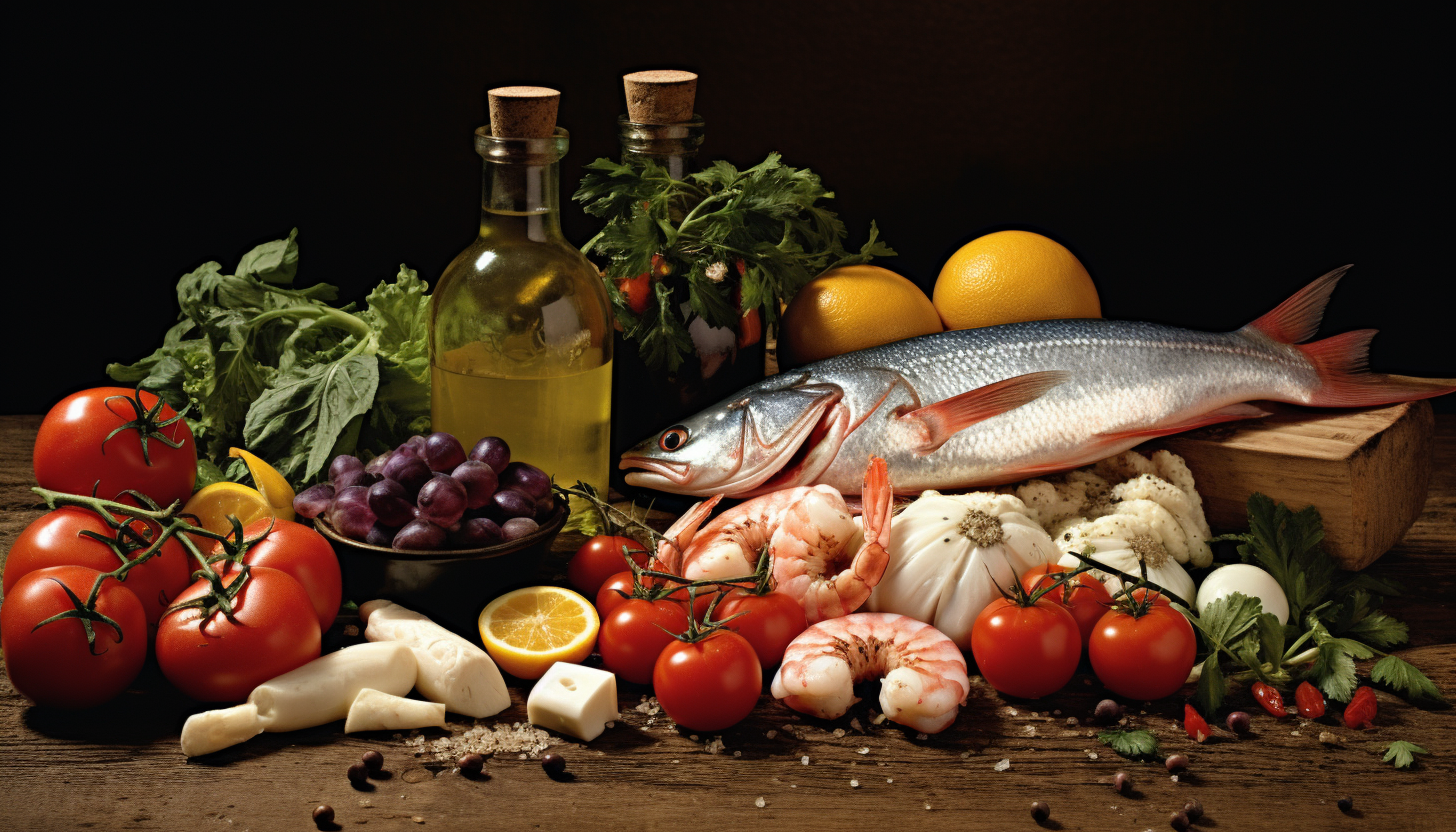
Known for its heart-healthy benefits and rich, varied flavors, the Mediterranean diet has gained popularity across the globe. Rooted in the traditional cooking styles of countries bordering the Mediterranean Sea, this diet is more than just a fad; it’s a lifestyle that celebrates fresh, whole foods, communal eating, and overall wellness.
What is the Mediterranean Diet?
The Mediterranean diet is based on the eating habits of people living in Greece, Southern Italy, and Spain in the 1960s. The primary focus is on plant-based foods like fruits, vegetables, whole grains, legumes, and nuts. It replaces butter with healthy fats like olive oil, limits red meat to a few times a month, and uses herbs and spices instead of salt to flavour meals.
Poultry, eggs, cheese, and yogurt are consumed in moderate portions daily or weekly, while fish — a great source of heart-healthy omega-3 fatty acids — is a staple. Another essential aspect of the Mediterranean diet is the inclusion of physical activity and enjoying meals with family and friends.
Health Benefits
- Heart Health: The Mediterranean diet is associated with a reduced risk of heart diseases. It lowers the ‘bad’ LDL cholesterol that’s likely to build up deposits in your arteries.
- Cancer Prevention: Research suggests that the diet can reduce the risk of certain types of cancer, primarily due to a diet high in antioxidants found in fruits, vegetables, nuts, and olive oil.
- Diabetes Control: It aids in blood sugar control, thereby reducing the risk of type 2 diabetes.
- Weight Loss: By swapping processed foods for fresh produce and lean proteins, it aids weight loss and promotes a healthier lifestyle.
A Typical Mediterranean Meal
A typical Mediterranean diet meal is balanced with wholesome ingredients. Here’s a quick glimpse of what your plate should look like:
- Vegetables: At least two servings of vegetables should make their way to your plate. These can be added to salads, used in dishes, or eaten as a side.
- Protein: Incorporate lean protein like fish, poultry, eggs, legumes, or nuts.
- Whole Grains: Whole grain bread, pasta, rice, or couscous can be included.
- Healthy Fats: Dress your salads with extra-virgin olive oil, snack on a handful of unsalted nuts, or add slices of avocado to your meals.
The Mediterranean Lifestyle
Beyond just a diet, the Mediterranean lifestyle plays a crucial role in maintaining overall health. This includes regular physical activity, mindful eating, and community dining. The emphasis is on enjoying the food and the company, taking the time to savor each bite, leading to a more fulfilling and balanced life.
In conclusion, the Mediterranean diet is a heart-healthy eating plan that emphasizes fruits, vegetables, whole grains, beans, nuts and seeds, and healthy fats. It encapsulates the idea that the best health benefits come not just from food, but from maintaining a balanced and active lifestyle. So, if you’re looking for a delicious, healthy, and sustainable diet plan, the Mediterranean diet might just be the one for you.
Enjoying our articles? To ensure you don’t miss any of our latest publications, we invite you to subscribe to our newsletter. It’s quick, easy, and completely free! By subscribing, you’ll receive regular updates, exclusive tips, previews of our upcoming articles, and much more directly in your inbox. So, don’t wait, join our passionate reader community today. Click here to subscribe to our newsletter for free. Take the opportunity to stay informed and inspired!
Subscribe to our newsletter
